Top 10 Fascinating Facts About Vietnamese Art and Culture
Explore the rich tapestry of Vietnamese art and culture with these top 10 fascinating facts, from traditional crafts to contemporary expressions.
By VietnamRanker Editorial·

Top 10 Fascinating Facts About Vietnamese Art and Culture
Vietnam boasts a vibrant art and culture scene that reflects its rich history and diverse influences. From ancient traditions to contemporary expressions, the country’s artistic journey is both captivating and complex. Here are the top 10 facts that illuminate the essence of Vietnamese art and culture.
Quick Picks
- Influence of History on Art
- Water Puppetry: A Unique Tradition
- Artisan Craftsmanship
- Diverse Ethnic Groups
- Evolution of Contemporary Art
- Significance of Festivals
- Fusion of Western and Eastern Styles
- Vietnamese Literature and Folklore
- Traditional Music and Dance
- Role of Markets in Cultural Exchange

1. Influence of History on Art
Vietnamese art has been heavily influenced by its tumultuous history, including over a millennium of Chinese rule and French colonialism. This complex heritage has shaped various artistic forms, from pottery and ceramics to silk painting and calligraphy, creating a rich artistic legacy that showcases the country’s evolution over the centuries.

2. Water Puppetry: A Unique Tradition
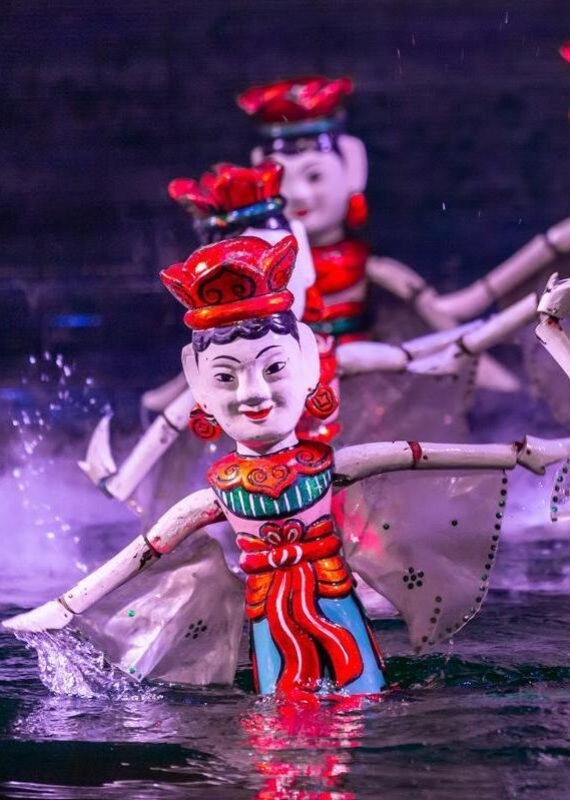
Water puppetry, or "múa rối nước," dates back to the 11th century and is a beloved traditional form of entertainment in Vietnam. Performers control wooden puppets from beneath the water's surface, bringing stories to life that reflect rural life and folklore. The Thang Long Water Puppet Theatre in Hanoi is a must-visit for those wanting to experience this captivating art form.

3. Artisan Craftsmanship
Vietnam is home to over 1,500 handicraft villages, where artisans produce traditional crafts such as pottery, lacquerware, textiles, and woodwork. These crafts not only preserve cultural heritage but also provide livelihoods for many families. Visitors can explore these villages and even try their hand at various crafts, gaining a deeper appreciation for the skills involved.

4. Diverse Ethnic Groups
With more than 50 ethnic groups, Vietnam presents a tapestry of cultures and traditions. Each group has its own distinct customs, languages, and artistic expressions. For instance, the H'mong people are known for their intricate needlework, while the Kinh dominate the cultural landscape in urban areas. This diversity enriches the country’s art scene and offers travelers unique cultural experiences across different regions.
5. Evolution of Contemporary Art
The contemporary art scene in Vietnam has flourished in recent years, with a new generation of artists emerging. These artists blend traditional influences with modern techniques, exploring themes relevant to contemporary society. Art spaces and galleries in cities like Hanoi and Ho Chi Minh City showcase innovative works that challenge conventions and reflect the dynamic changes within Vietnamese society.
6. Significance of Festivals
Vietnam's cultural calendar is filled with festivals that celebrate its rich traditions. Notably, Tết Nguyên Đán (Lunar New Year) and Tết Trung Thu (Mid-Autumn Festival) feature vibrant parades, traditional foods, and rituals that highlight family and community bonds. These festivities are a spectacular way to experience the country’s culture and witness its artistic expressions in action.
7. Fusion of Western and Eastern Styles
The influence of French colonialism introduced Western artistic styles and mediums to Vietnam. This fusion is evident in the works of artists from the Fine Arts College of Indochina, which integrated European techniques with local themes. This blend has continued to evolve, leading to a unique Vietnamese aesthetic that resonates with both locals and international audiences.
8. Vietnamese Literature and Folklore
Vietnam’s literary heritage is rich, albeit impacted by historical challenges. Traditional stories and poems often reflect the nation’s struggles and triumphs. Folklore, such as the legend of Hoàn Kiếm Lake, illustrates the deep-rooted connections between Vietnamese identity and its cultural narratives, often conveyed through art and performance.
9. Traditional Music and Dance
Vietnamese music is as diverse as its art, with regional variations that showcase local traditions. From the haunting melodies of Quan Họ to the lively rhythms of folk music, these performances are often accompanied by traditional dances that incorporate props like fans and lanterns. Music and dance are integral to festivals and ceremonies, bringing communities together in celebration.
10. Role of Markets in Cultural Exchange
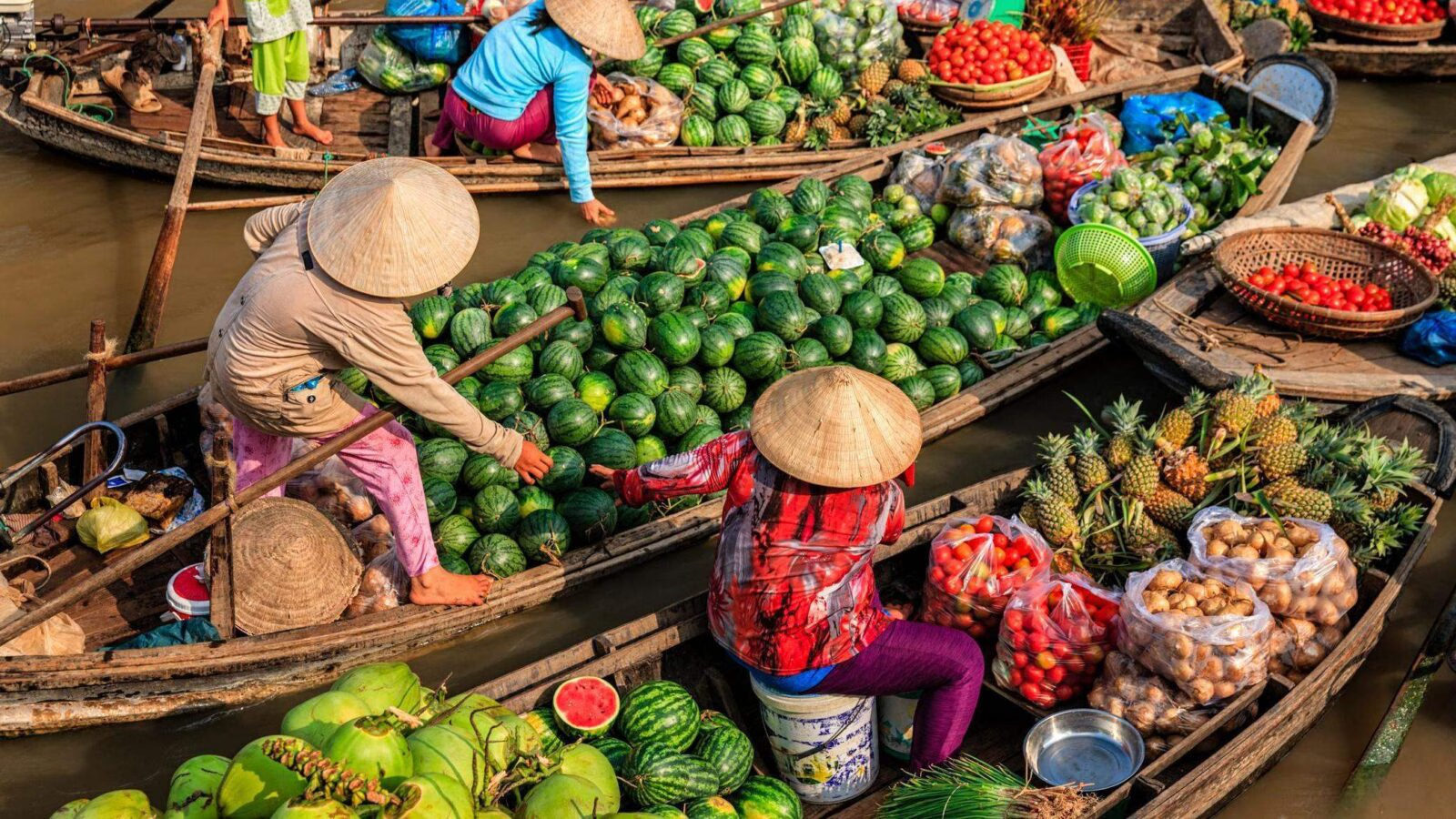
Markets serve as cultural hubs in Vietnam, where locals and tourists alike can experience the vibrant life of the community. Haggling is a cultural practice, and markets often feature local crafts, foods, and art. Places like the floating markets of the Mekong Delta or the Old Quarter in Hanoi are perfect for immersing oneself in Vietnam's bustling cultural exchanges.
Closing Thoughts
Understanding Vietnamese art and culture is akin to peeling back layers of history, tradition, and contemporary life. Each fact showcases the resilience and creativity of the Vietnamese people, revealing a vibrant tapestry woven from their rich past and present. Whether you’re exploring artisan villages, enjoying a water puppet show, or participating in a festival, the depth of Vietnam’s cultural heritage is sure to leave a lasting impression.
Comments
0No comments yet. Be the first to share your thoughts.