Top 10 Vietnamese Herbs and Their Health Benefits
Discover the top 10 Vietnamese herbs that not only enhance flavor but also offer remarkable health benefits, from boosting digestion to reducing inflammation.
By VietnamRanker Editorial·

Vietnamese cuisine is renowned for its bold flavors, vibrant colors, and aromatic herbs. These herbs are not just for adding taste; they come packed with health benefits that have been cherished for generations. Here’s a look at the top 10 Vietnamese herbs, their unique characteristics, and how they contribute to our health.
Quick Picks
- Coriander (Ngò Rí)
- Thai Basil (Húng Quế)
- Lemongrass (Sả)
- Dill (Thì Là)
- Perilla Leaf (Tía Tô)
- Vietnamese Coriander (Rau Răm)
- Garlic Chives (Hẹ)
- Rice Paddy Herb (Ngò Om)
- Fish Mint (Diếp Cá)
- Culantro (Ngò Gai)

1. Coriander (Ngò Rí)
Coriander is a staple in Vietnamese cooking, featuring prominently in soups, salads, and garnishes. The fresh leaves are known for their anti-inflammatory properties, which can aid in reducing symptoms of inflammatory conditions. Additionally, coriander helps enhance digestion by promoting the secretion of digestive enzymes. It's an excellent choice for those looking to add flavor while boosting gut health.

2. Thai Basil (Húng Quế)
With its distinctive licorice flavor, Thai basil is more than just a garnish for pho. It contains antioxidants that support the immune system and combat oxidative stress. The aromatic oils in Thai basil also have antibacterial properties, making it a great addition to enhance both flavor and health benefits in various dishes.

3. Lemongrass (Sả)
This fragrant herb is commonly used in Vietnamese soups and curries. Lemongrass is known for its antimicrobial and anti-inflammatory properties, which can help soothe digestive issues. It is also rich in vitamins A and C, making it a fantastic herb for boosting overall immunity and skin health.

4. Dill (Thì Là)
Dill is particularly famous in northern Vietnamese cuisine, especially in seafood dishes like chả cá Lã Vọng. It not only adds flavor but also helps reduce the fishy aroma of seafood. Dill is known to support digestive health and has anti-inflammatory properties, making it beneficial for those with digestive issues.
5. Perilla Leaf (Tía Tô)
Perilla leaves are versatile and can be eaten raw or cooked in various dishes. They are known for their strong aroma and slightly bitter taste, which can add depth to meals. Perilla is believed to have calming effects, aiding in reducing anxiety and stress. It also offers anti-inflammatory benefits, making it a good herb for overall wellness.
6. Vietnamese Coriander (Rau Răm)
This herb is often paired with fetal duck eggs and is known for its unique flavor profile that combines spicy and peppery notes. Rau răm aids digestion and is believed to help balance the body's heat and cold—making it an excellent accompaniment to rich or heavy foods.
7. Garlic Chives (Hẹ)
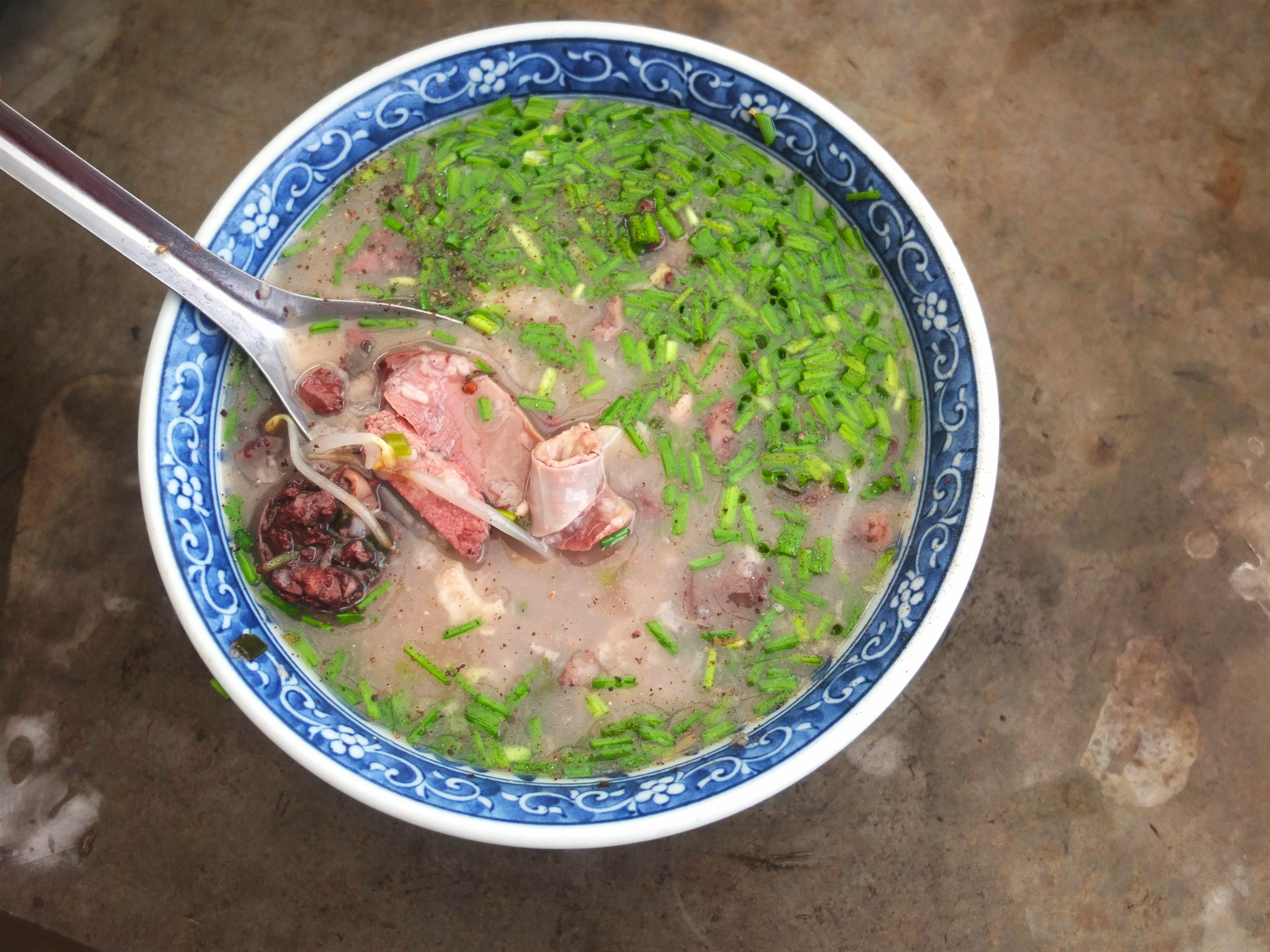
Garlic chives are commonly used in stir-fries and as a garnish. They are known for their garlicky flavor and strong aroma. The herb is rich in vitamins A and C and has antibacterial properties, which can help boost the immune system. Garlic chives may also support heart health by helping to lower cholesterol levels.
8. Rice Paddy Herb (Ngò Om)
This aromatic herb is often used in southern Vietnamese dishes like canh chua (sweet and sour soup). It has a distinct flavor that complements many dishes. Rice paddy herb is also known for its digestive benefits and is believed to help relieve gastrointestinal discomfort.
9. Fish Mint (Diếp Cá)
With its unique, fishy aroma, fish mint is often used in raw dishes and salads. It is known for its cooling properties, making it suitable for hot weather. Fish mint is often used in remedies for digestive issues and can help alleviate nausea and stomach discomfort.
10. Culantro (Ngò Gai)
Culantro, often mistaken for cilantro, has a stronger flavor and is commonly used in soups and stews. It is rich in antioxidants and is known for its ability to help reduce fever and alleviate symptoms of respiratory issues. It’s also used in traditional remedies for digestive ailments, making it a must-try herb for health-conscious individuals.
These herbs not only enhance the flavors of Vietnamese cuisine but also provide numerous health benefits that can contribute to overall well-being. Incorporating these herbs into your meals can be a delicious way to improve your health.
Final Thoughts
Vietnamese herbs are a treasure trove of flavors and health benefits. By integrating them into your diet, you can enjoy not only the unique tastes they offer but also their numerous health advantages. Whether you're making pho, salads, or stir-fries, don't forget to add these aromatic herbs for a healthier twist on your meals.

Comments
0No comments yet. Be the first to share your thoughts.