Top 8 Things You Need to Know About the Vietnam Digital Arrival Card
Prepare for your trip to Vietnam by understanding the Digital Arrival Card process. Here are key insights to ensure a smooth arrival in 2026.
By VietnamRanker Editorial·

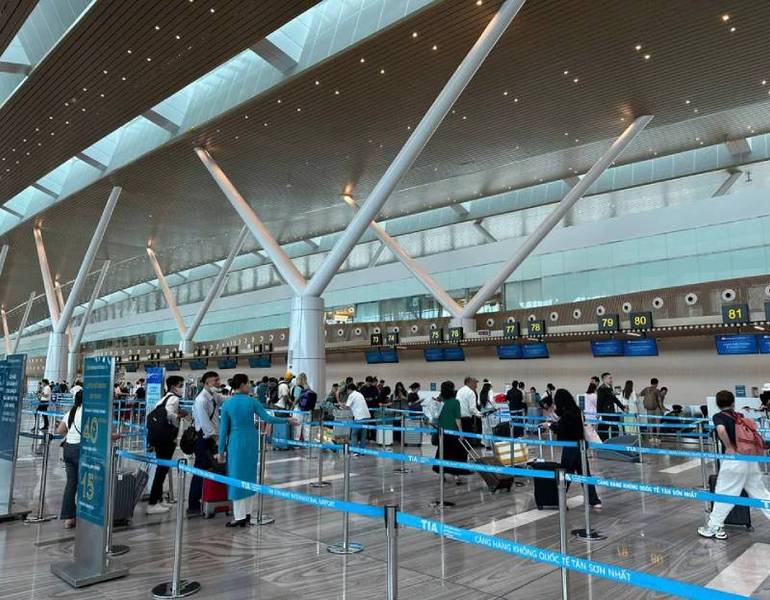
Traveling to Vietnam just got a bit more streamlined with the introduction of the Vietnam Digital Arrival Card. As of April 15, 2026, this mandatory online form aims to simplify the entry process for international travelers arriving at Tan Son Nhat International Airport (SGN) in Ho Chi Minh City. This guide outlines everything you need to know to navigate this new requirement efficiently and avoid any potential hiccups during your travels.
Quick Picks
- What is the Vietnam Digital Arrival Card?
An online pre-arrival declaration that generates a QR code for faster immigration clearance. - Who Needs It?
All foreign nationals entering Vietnam, including visa-exempt travelers. - Submission Window
Submit up to 72 hours before your arrival to SGN. - What Happens if You Forget?
You can fill it out at the airport but expect longer wait times. - What Information is Required?
Personal details, travel information, and accommodation details. - Common Mistakes to Avoid
Incorrect passport details, early submission, and failing to save your QR code. - Comparison with Other Countries
Similar systems are being implemented across Southeast Asia. - Future Expansions
The card will also be required at Noi Bai International Airport (HAN) starting June 2026.

1. What is the Vietnam Digital Arrival Card?
The Vietnam Digital Arrival Card is an online form designed to collect essential details about your trip before you land in Vietnam. It replaces the traditional paper arrival slip and is aimed at reducing congestion at airports. Upon successful submission, you’ll receive a QR code to present upon arrival, expediting the immigration process.

2. Who Needs to Complete the Card?
The requirement applies to a wide variety of foreign travelers, including:
- All foreign nationals, regardless of whether they need a visa.
- Overseas Vietnamese holding a foreign passport with a valid Vietnamese visa.
It's important to note that Vietnamese citizens traveling on a Vietnamese passport and transit passengers who do not clear immigration are exempt.

3. How to Submit the Card
You can submit your Digital Arrival Card on the official portal (prearrival.immigration.gov.vn) within 72 hours of your arrival date. For example, if your flight lands on April 25, you can submit your card anytime after midnight on April 23. This tight window ensures that information is current and relevant.

4. What Happens If You Forget to Submit?
If you arrive in Vietnam without completing the Digital Arrival Card, don’t panic. There are kiosks at Tan Son Nhat Airport where you can fill out the form upon arrival. However, this will add time to your processing, which could mean longer waits in line as you submit the form while other passengers proceed smoothly with their QR codes.
5. Information Required for the Card
Filling out the Vietnam Digital Arrival Card requires several pieces of information, including:
- Personal Details: Full name, passport number, nationality, date of birth, and gender.
- Travel Information: Flight number, country of departure, and expected arrival date.
- Accommodation Details: The full address of where you will be staying in Vietnam.
- Purpose of Travel: This could be for tourism, business, study, or visiting family.
Gathering all this information beforehand can streamline the process, allowing you to complete the form quickly—often within five minutes.
6. Common Mistakes to Avoid
Many travelers encounter issues due to simple mistakes. Here are some common pitfalls to watch out for:
- Incorrect Passport Details: Make sure to double-check for any typos or errors in your passport number.
- Early Submission: Submissions made more than 72 hours in advance will be rejected.
- Vague Accommodation Information: Always enter the complete address of where you’ll be staying to avoid confusion at immigration.
- Forgetting to Save Your QR Code: If you lose your QR code, you may have to fill out the form again at the airport, causing delays.
7. How It Compares to Other Countries
Vietnam's Digital Arrival Card is part of a broader trend in Southeast Asia toward digital border processing. Similar systems have been rolled out in Thailand and Indonesia, each aiming to enhance efficiency at busy airports. Travelers should note that forms are country-specific; for example, completing a Thailand Digital Arrival Card does not exempt you from needing a Vietnam Digital Arrival Card.
8. Future Expansions
As of June 2026, the Vietnam Digital Arrival Card requirement will also be implemented at Noi Bai International Airport (HAN) in Hanoi. Travelers should keep an eye on updates, as Da Nang International Airport (DAD) and land and sea borders are expected to follow suit. Always check the official portal for the most current information before your trip.
In conclusion, being familiar with the Vietnam Digital Arrival Card process can significantly ease your travel experience. By understanding what is required and preparing your information in advance, you'll save time and avoid unnecessary stress upon arrival in Vietnam. Happy travels!


Comments
0No comments yet. Be the first to share your thoughts.